
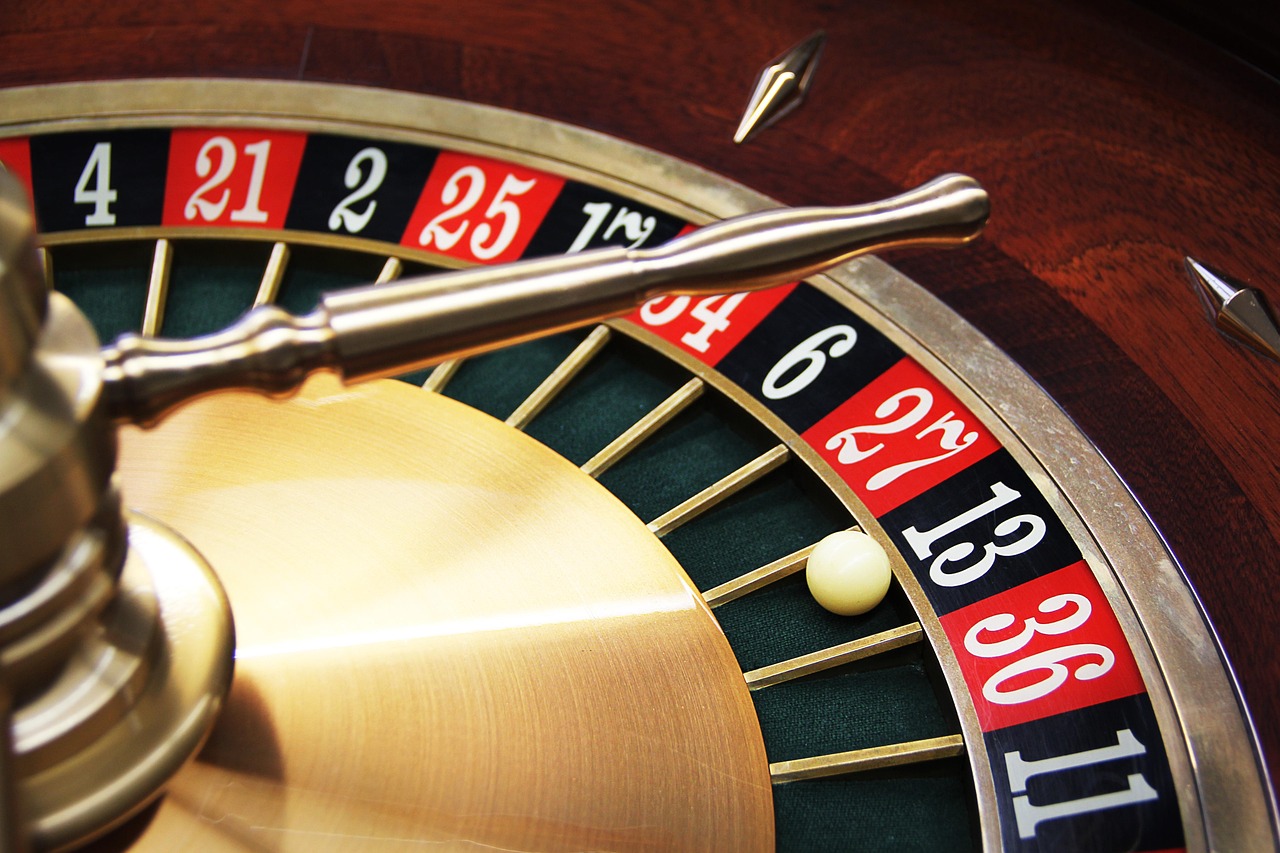
The House Always Wins? Not If You Understand Variance
Every gambler has heard the phrase "the house always wins." It's true over the long run, but it's also the most useless advice you can give someone staring down a 12-hour slot session or a bad beat at the poker table. The house edge doesn't send you home broke at 2 AM. Variance does. And if you don't understand the difference between the two, you're not gambling — you're just donating.
Let's talk about what's actually happening when you play. Whether you're spinning slots, betting on football, or grinding micro-stakes poker, you're dealing with three forces: house edge, variance, and your own decision-making. Get those right in your head and you'll enjoy the hobby a lot more — and lose a lot less.
The House Edge: A Tax, Not a Verdict
The house edge is the mathematical advantage the operator holds on every bet. It's boring but essential. European roulette sits at 2.7%. American roulette doubles it to 5.26% because of that extra double-zero pocket. Blackjack with perfect basic strategy can drop to around 0.5%. Slots vary wildly — modern video slots often run 3% to 8%, while some high-volatility titles push past 10% depending on the jurisdiction and the RTP setting.
Here's the key insight most players miss: the house edge doesn't mean you lose 5% of your bankroll every session. It means that over an enormous number of bets — hundreds of thousands of spins or hands — the operator keeps roughly that percentage of total wagered. In any single session, the result is essentially random. A 96% RTP slot pays out $96 on average per $100 wagered over millions of spins. In your next 100 spins, you might hit 300% or lose everything.
So the house edge is the price of admission. It's what you pay for the entertainment. Stop trying to beat it in the short term and start respecting it long term.
Variance Is the Real Rollercoaster
Variance (sometimes called volatility) is the size and frequency of swings around that average. Two slot machines can have identical 96% RTP and feel completely different. A low-volatility slot pays small amounts frequently — think 2x to 5x your bet. A high-volatility slot might give you 200 dead spins and then a 500x bonus.
Variance is why poker players go on 20-buy-in downswings despite being winning players. It's why a sports bettor can hit 60% of their picks for a month and then lose 15 in a row. It is not a sign the games are rigged. It's just math being math.
- Low variance = frequent small wins, slower bankroll bleed, better for long sessions on a small budget.
- Medium variance = balanced. Most slots labeled "feature-rich" fall here.
- High variance = rare huge wins. Great if you're chasing a jackpot, brutal if you have $50 and no patience.
Match your game to your bankroll and mental tolerance, not to the biggest advertised jackpot.
Bankroll Management: The One Skill Nobody Teaches
If there's a secret to surviving variance, it's bankroll management. Most casual players ignore it, then wonder why they're broke after three bad nights.
Here's a simple framework:
- Define a separate gambling bankroll. Money you can genuinely afford to lose without impacting rent, savings, or relationships. Transfer it to a dedicated account or wallet.
- Size your bets relative to that bankroll. For slots, a common rule is 1% of bankroll per spin — so $200 bankroll means $2 spins. For poker cash games, 20 to 40 buy-ins per stake level. For sports betting, 1% to 2% flat stakes.
- Set session and loss limits. If you're down 30% of your bankroll in a session, walk away. Not because you can't win it back, but because tilt is expensive.
- Reassess monthly, not daily. Daily results are noise. Monthly results start to mean something.
Players who follow rules like this last hundreds of hours longer than those who chase. Longevity is the whole game.
Slots vs. Poker vs. Sports Betting: Different Skills, Different Edges
These three verticals attract very different players, and honestly, only two of them offer a realistic long-term edge. Those comparing choices often turn to สล็อต.
Slots are pure chance. No skill, no strategy, no hot or cold machine. Modern slots use RNGs audited by labs like eCOGRA or GLI. Your only decisions are bet size and game selection. Pick games with high RTP (look for 96%+), understand volatility, and treat bonuses like the wagering traps they usually are. A 40x wagering requirement on a bonus with a 5% house edge means you'll need to grind through a lot of spins before you see a cent.
Poker is a skill game with built-in variance. A strong player can sustain 5 to 10 big blinds per 100 hands in cash games. Weaker players — the majority — lose. If you're not studying ranges, pot odds, and position, you're the fish. Get a tracker, review hands, and play fewer tables if you want to improve. The edge is real but it takes months, not nights, to realize.
Sports betting is a market game. Lines move because of information. Beating closing lines consistently is the true test of skill. If you're just picking teams you like, you're paying the vig (typically 4% to 5% on each side) and slowly draining. Sharp bettors focus on niche markets, line shopping across multiple books, and staking discipline.
Bonuses, RTP, and the Small Print That Eats Your Edge
Operators are not charities. Welcome bonuses come with wagering requirements, game weightings, maximum bet rules, and time limits. A "100% up to $500" offer with 40x wagering on slots means you must bet $20,000 before withdrawing anything. At a 96% RTP, the expected loss on that wagering is around $800. Suddenly the bonus looks less generous.
Before claiming anything, check these:
- Wagering requirement (lower is better — under 30x is decent)
- Game contribution rates (slots usually 100%, table games often 10% or excluded)
- Maximum bet per spin while clearing the bonus
- Expiry window
- Maximum cashout cap
A $200 bonus with a 20x requirement on 96% RTP slots carries an expected cost around $160 in wagering — still +EV if you'd play anyway, but not free money. Treat bonuses as discounts on entertainment, not as income.
The Takeaway That Actually Matters
You won't beat the house edge on slots. You probably won't beat it on sports betting without serious work. You can beat it at poker if you study. But in every case, variance will swing harder and faster than you expect, and the players who survive longest are the ones with disciplined bankrolls, realistic expectations, and the ability to walk away when the night turns.
Treat iGaming like an entertainment expense, not an investment strategy. Set the limit before you sit down. Understand that 96% RTP doesn't mean you get 96% back tonight. And when you do hit that 500x bonus — cash some out. The house always wins in the long run, but the smart player makes sure the run is very, very long.
tag: iGaming

Oliver Radcliffe Author
Make the most of awkward spaces with slim shelving, hooks and baskets that keep everyday items tidy and accessible.
YOU MAY ALSO LIKE

Clever Storage Solutions for Narrow Hallways
Sep 21
10Simple mixtures using vinegar, bicarbonate of soda and lemon can clean most surfaces without harsh chemicals or plastic packaging.
read more
Natural Cleaning Products You Can Make at Home
Sep 17
10These straightforward builds use basic tools and reclaimed timber to create useful shelves without spending a fortune at all.
read moreDecluttering
-

ERRIC CATONA
Choose light colours, multi-purpose furniture and clever lighting to make a compact bedroom feel calm, open and airy.
May 19, 2016 at 5.12 pm
Reply
ERRIC CATONA
Group similar items, use risers and labels, and keep daily essentials within easy reach to reduce morning stress.
May 19, 2016 at 5.12 pm
Reply -
ERRIC CATONA
Even a small balcony can supply fresh mint, basil and rosemary with the right containers, compost and regular watering.
May 19, 2016 at 5.12 pm
Reply
Storage Ideas
Your email address will not be published.