
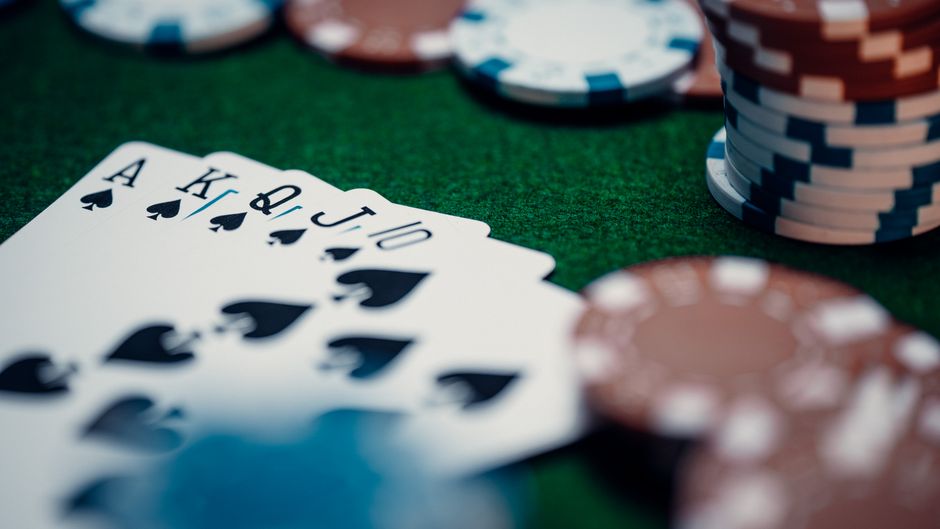
The Real Math Behind Slot RTPs (And Why It Matters)
Here's a number that should bother you: a player once fed $100 into an online slot, hit a bonus round, and walked away with $94. That's not a bad beat story. That's a slot operating exactly as designed, and most players never stop to ask what that design actually costs them. If you're going to put real money into a game built on random number generators, you owe it to yourself to understand what the machine is doing to your bankroll over time.
RTP Is Not a Promise, It's a Long-Run Average
Return to player, or RTP, is the percentage of all wagered money a slot pays back over millions of spins. A 96% RTP game gives back $96 for every $100 wagered — eventually. That "eventually" is doing a lot of work in that sentence.
Picture 10,000 players each spinning a 96% RTP slot 100,000 times. Collectively, they'll get close to 96 cents back per dollar. Individually? Some will be up 300%, some will be wiped out, and most will sit somewhere in a wide, messy middle. RTP describes the ocean, not your particular wave.
This is where players get tripped up. They see "96% RTP" and mentally translate it to "I lose 4%." But variance — the size and frequency of payouts — is what actually determines whether you survive 200 spins. A low-volatility slot like Starburst (96.1% RTP) dribbles out frequent small wins. A high-volatility monster like Book of Dead (96.21% RTP, oddly similar) can leave you spinning dry for 40 minutes before a single bonus round pays 400x. Same RTP. Completely different experience.
Volatility: The Number Nobody Talks About
Volatility is the sleeper metric. Two slots with identical RTP can behave nothing alike, and choosing the wrong volatility for your budget is how players burn through deposits in twenty minutes without understanding why. Some of the clearest guidance on this comes from lô đề.
- Low volatility: wins hit often, amounts are small. Good for stretching playtime on a tight bankroll.
- Medium volatility: the balanced middle ground; bonus features arrive at a reasonable clip.
- High volatility: long dry spells punctuated by big potential. You need a bigger bankroll and thicker skin.
A practical rule: if your bankroll is under $100, a high-volatility slot with a max win of 50,000x is not your friend. You'll likely never see the feature that justifies the risk. Match your stake to your deposit, and give yourself at least 200 spins of runway.
House Edge, Told Without the Sugarcoating
Every casino game carries a built-in margin for the house. Slots sit around 2-4%. Blackjack with basic strategy drops to roughly 0.5%. European roulette is 2.7% thanks to the single zero, while American roulette's double zero nearly doubles that to 5.26%. Baccarat's banker bet hovers near 1.06%.
That spread matters enormously over hundreds of hands. A player grinding blackjack at 0.5% house edge loses roughly $5 per $1,000 wagered. The same $1,000 through a 4% slot loses $40 — eight times the bleed. Neither game is rigged. Both games are simply math, and the math is honest if you bother to read it.
Where players really get crushed is side bets and jackpot games. A 5% or 8% side bet on blackjack has a house edge that quietly slaughters the profit margin your main hand was building. Jackpot slots can push edge past 10% or 15%. That headline number is paying for the dream.
Poker Is the One Game Where You Can Actually Beat the House
Everything above applies to games where you play against the casino. Poker is different because you play against other players, and the house just skims the pot via rake. That means skilled players have a real, demonstrable edge over weaker opponents — something no slot player can ever claim.
But "edge" isn't a synonym for "easy." At a 6-max cash table with a 5% rake capped at $3, a decent winning player might grind out 2-5 big blinds per 100 hands. Screw up position, chase draws without odds, or go on tilt and that number flips negative fast. The rake is a relentless tax; you only profit if your skill gap over the field exceeds it.
Solid poker fundamentals worth drilling:
- Play tighter than you think is profitable from early position.
- Value bet thinner against calling stations.
- Track your results in big blinds, not dollars, so variance is easier to read.
- Bankroll 20 buy-ins minimum for cash games, 50+ for tournaments.
Bankroll Rules That Actually Protect You
Bankroll management isn't a buzzword; it's the difference between a hobby and a disaster. Concrete guardrails:
- Slots and casino games: never risk more than 1-2% of your total gambling bankroll per session.
- Sports betting: 1-3% per wager is standard for flat betters, less for parlays.
- Poker cash: 20 buy-ins for the stake you're playing; drop down a level when you lose three.
- Stop-loss: pre-commit an amount you'll walk away at. It removes the decision from the emotional moment.
Odds calculators, RTP data sheets, and tracking apps are free and take ten minutes to set up. Players who use them lose money slower and quit when they're ahead more often. That's not luck. That's discipline.
The Only Guarantee Is That the Math Doesn't Blink
The casino industry doesn't need clever tricks. It needs volume, time, and players who skip the math because the lights are pretty and the spins keep coming. RTP curves, house edges, and rake caps all say the same quiet thing: over a long enough timeline, the house grinds out its margin no matter how hot you feel.
That's not a reason to avoid casino games or sports betting entirely. It's a reason to walk in with open eyes. Pick games with fairer edges. Match volatility to your bankroll. Treat poker as a skill game with a rake, not a slot machine with cards. And know exactly how much you're willing to lose before you ever click spin. Do that, and gambling stays entertainment — which is the only version of it that was ever sustainable.
tag: iGaming

Oliver Radcliffe Author
Make the most of awkward spaces with slim shelving, hooks and baskets that keep everyday items tidy and accessible.
YOU MAY ALSO LIKE

Clever Storage Solutions for Narrow Hallways
Sep 21
10Simple mixtures using vinegar, bicarbonate of soda and lemon can clean most surfaces without harsh chemicals or plastic packaging.
read more
Natural Cleaning Products You Can Make at Home
Sep 17
10These straightforward builds use basic tools and reclaimed timber to create useful shelves without spending a fortune at all.
read moreDecluttering
-

ERRIC CATONA
Choose light colours, multi-purpose furniture and clever lighting to make a compact bedroom feel calm, open and airy.
May 19, 2016 at 5.12 pm
Reply
ERRIC CATONA
Group similar items, use risers and labels, and keep daily essentials within easy reach to reduce morning stress.
May 19, 2016 at 5.12 pm
Reply -
ERRIC CATONA
Even a small balcony can supply fresh mint, basil and rosemary with the right containers, compost and regular watering.
May 19, 2016 at 5.12 pm
Reply
Storage Ideas
Your email address will not be published.